

Arthritis and joint pain affect millions worldwide, making everyday tasks harder. Arthritis includes over 100 conditions, with osteoarthritis and rheumatoid arthritis being the most common. Joint pain ranges from mild to severe, impacting movement and overall well-being.
What Causes Arthritis?
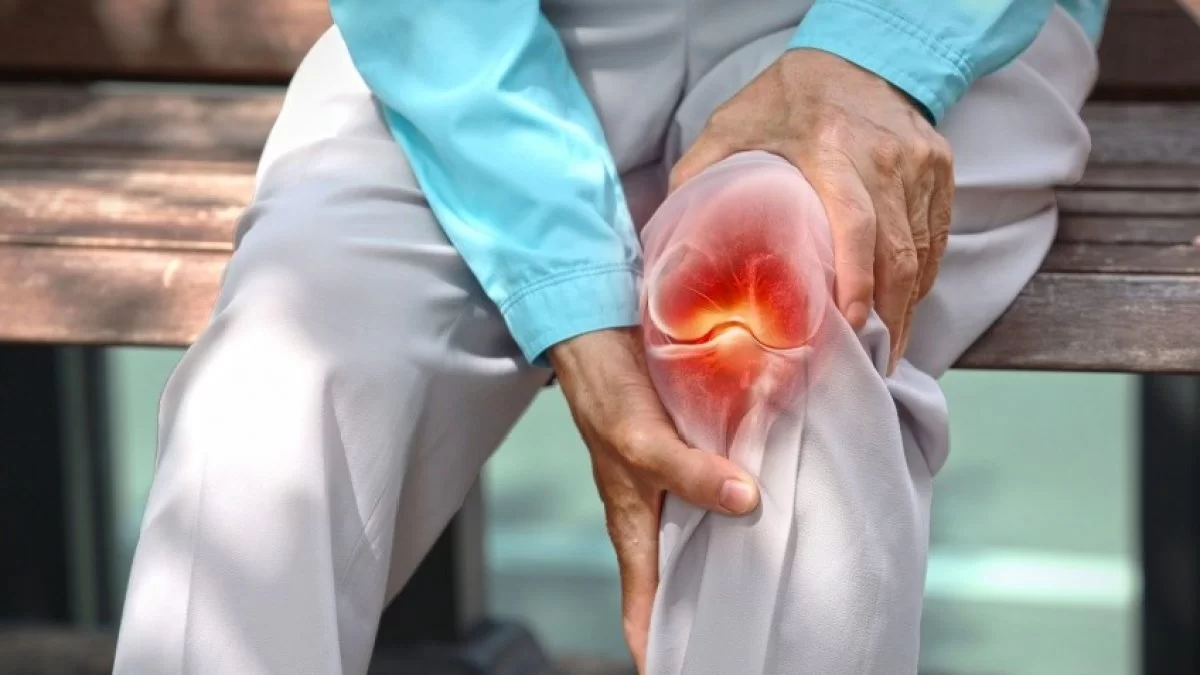
Causes vary—age, genetics, injuries, or autoimmune issues like in rheumatoid arthritis. Osteoarthritis often results from aging and joint wear and tear. Pinpointing the cause helps guide treatment.
Recognizing Symptoms
Joint pain may show up as stiffness, swelling, or limited movement, often worse in the morning. Fatigue and general discomfort are also common.
How to Manage It
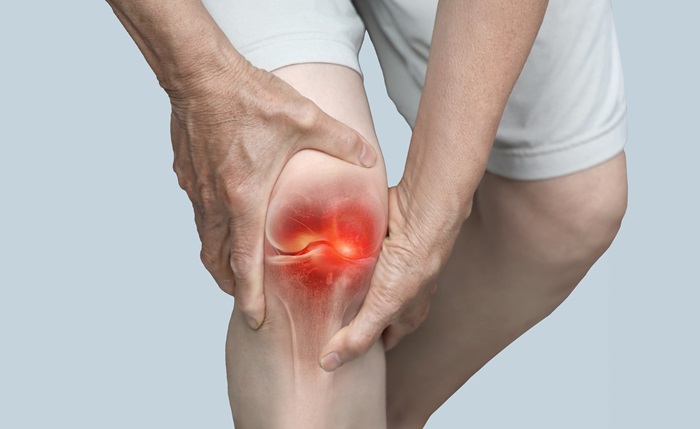
Lifestyle changes can ease symptoms. Staying active, maintaining a healthy weight, quitting smoking, and reducing alcohol can all help improve joint health and mobility.
Joint-Friendly Diet
Eat anti-inflammatory foods like salmon, greens, nuts, and berries. Cut back on sugar, processed foods, and saturated fats to ease joint pain.
Best Exercises
Try low-impact workouts like walking, swimming, or cycling. Strength training and yoga can help too—but check with your doctor first.
Medications
Relievers like acetaminophen or NSAIDs may help. For severe pain, doctors might suggest steroids or DMARDs. Follow medical advice.
Alternative Options
Acupuncture, massage, or supplements like glucosamine may help some people. Talk to your doctor before trying new treatments.
Physical Therapy for Pain Relief
Physical therapy helps manage arthritis by improving strength, flexibility, and movement. Therapists also teach joint protection and safe movement to reduce pain and avoid injury.
Everyday Tips for Arthritis
Use tools like canes or jar openers to ease daily tasks. Balance activity with rest to avoid fatigue. Heat or cold therapy can relieve pain, and support groups offer helpful info and encouragement.
When to Consult a Healthcare Professional
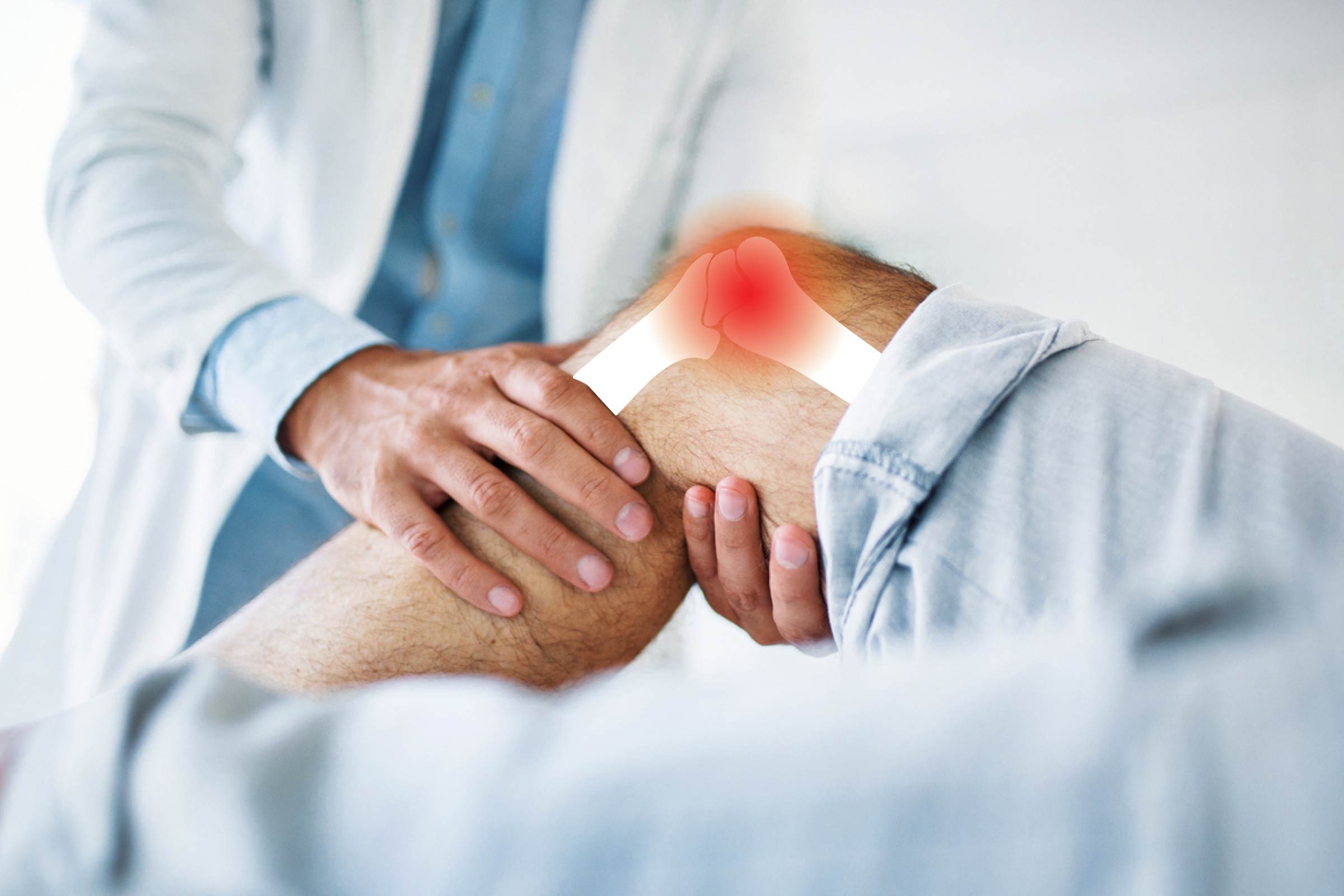
If joint pain doesn’t improve with self-care, see a doctor. Early treatment can help prevent damage and improve long-term health. A professional can suggest the right treatments, lifestyle changes, or, if needed, more advanced options like surgery.